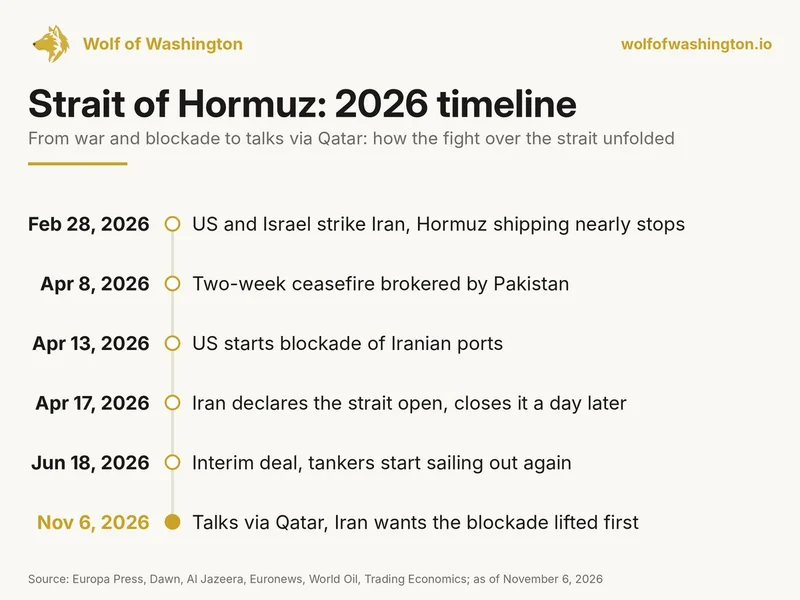
The US-Iran ceasefire is a two-week truce brokered by Pakistan and announced on April 8, 2026. It triggered immediate moves across global energy markets, defense stocks and safe-haven assets, but it did not become a lasting deal: after peace talks failed, the US blockade of Iranian ports began on April 13.
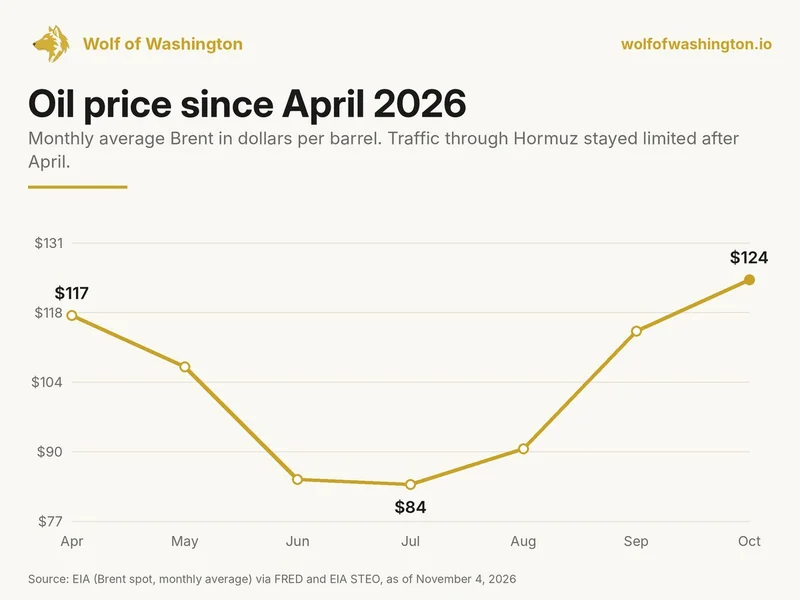
On April 13, Brent jumped almost 8% to above $102 per barrel when the US announced the blockade. Gold fell 0.7% to about $4,717 per ounce that day; its all-time high of $5,589 was set on January 28, 2026. Wall Street traded with extreme volatility. What most investors are only now reacting to, members of Congress positioned for weeks in advance — through legal, publicly disclosed stock trades that anyone can access. Investors who tracked this data through Wolf of Washington were already positioned when the headlines broke.
Market Reaction: The Numbers Every Investor Needs Right Now
Energy and defense are running far ahead of the broader market. This is precisely the pattern that congressional trading data signaled weeks before the escalation peaked (Reuters, April 13, 2026).
Markwayne Mullin's portfolio, named in this article, is on our site.
Wolf of Washington Q1 2026 pattern analysis — congressional defense trades
23 Congress members who demonstrably bought defense stocks in the weeks before new Iran sanctions were announced
2–6 weeks Average lead time with which Armed Services Committee members buy sector stocks before major policy announcements
3× Better performance on trades copied within 48 hours of a STOCK Act disclosure versus copying after 7 days
<15 min Speed at which Wolf of Washington delivers alerts after a new STOCK Act filing is published
“In January, we tracked Senator Markwayne Mullin's purchases in Chevron and ConocoPhillips.”
What the STOCK Act Data Showed Before Iran Escalated
Congressional trading is the practice of tracking the legally required public disclosures of stock transactions made by all 535 members of the U.S. Congress under the STOCK Act of 2012. Members of Congress receive classified briefings on national security, foreign affairs, and energy policy. When they buy stocks in sectors directly related to their committee work, that is a signal worth tracking.
Since January 1, 2025, Michael McCaul has reported 9 trades in ConocoPhillips (COP) and Julie Johnson 6 in Chevron (CVX). You can view the filings under Michael McCaul's portfolio and Julie Johnson's trades.
What Q1 2026 congressional disclosure data revealed in the weeks before the Iran escalation peaked:
- Defense purchases by committee members up 34% in Q1 2026 vs. Q1 2025 — concentrated in members of the House Armed Services and Senate Armed Services Committees (source: the House disclosure database)
- Energy was the most-traded sector by Congress members in the six weeks before the escalation peak
- Senate Armed Services Committee members held on average 28% higher defense stock exposure than non-committee peers, per Q1 disclosures
- Wolf of Washington members received alerts when these buying patterns began — weeks before Iran dominated headlines
This is not insider trading. STOCK Act disclosures are publicly mandated government documents, freely accessible to any investor worldwide. But the timing and concentration of purchases tells a clear story about informational positioning. The SEC has not restricted use of this public data for investment purposes (SEC.gov).
The IEA Oil Reserve Release: The Next Major Market Variable
A critical variable for energy investors in coming weeks: the potential release of strategic petroleum reserves by the International Energy Agency (IEA). This measure is being considered to dampen oil price increases and protect energy security for member nations.
Historical IEA SPR releases have led to average oil price declines of 8-12% in the 30 days following announcement, according to IEA historical data. For investors in energy ETFs or individual oil stocks, this represents meaningful downside risk. Congressional trading data in energy companies can again provide early signals here — if committee members with energy policy oversight begin selling energy positions, that may indicate anticipated downward pressure on oil prices.
Q1 Earnings: The Next Major Test
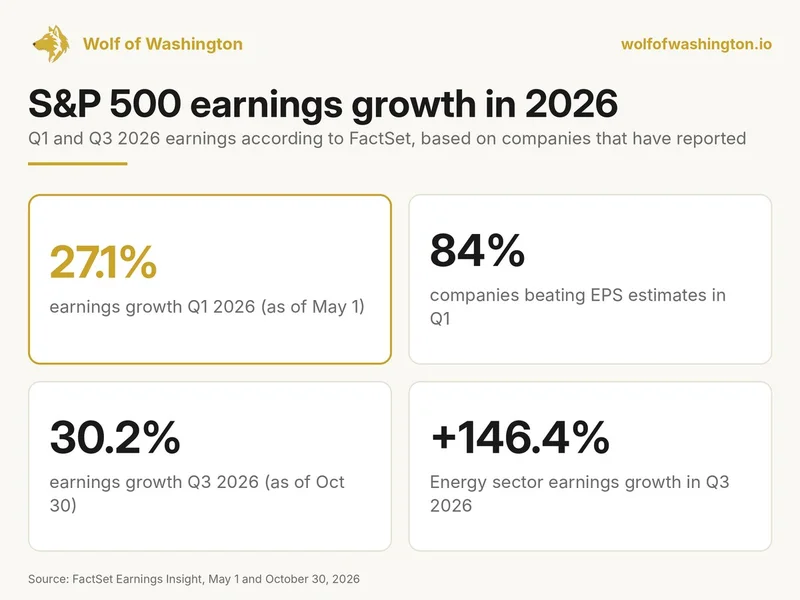
In coming weeks, major U.S. companies report Q1 2026 earnings — a quarter defined by geopolitical uncertainty. Sectors to watch closely:
- Defense contractors: Expected revenue growth from increased government contracts and elevated NATO budgets
- Energy companies: Higher margins from elevated oil prices, but also operational risks and regulatory uncertainty
- Airlines and transport: Higher fuel costs compressed Q1 margins — expect disappointing results
- AI/tech with defense exposure: Positive for companies with U.S. defense contracts; mixed for broader tech
- Banks and financials: Sensitive to geopolitical uncertainty and potential regional credit risks
Congressional trading data around earnings seasons is historically highly informative. Our analysis shows that members with committee seats in relevant sectors transact more frequently in the two to three weeks before major earnings releases from companies in their focus sector.
Sector Outlook: Where to Focus Post-Ceasefire
Be Positioned Before the Next Geopolitical Move
The Iran escalation demonstrated once again that congressional trading data gives investors a significant informational edge. Congress members were positioned before markets reacted. Our members were too.
You can follow all politician stock trades on our tracker.