
Max Miller portfolio
RepublicanIn office
House of Representatives · Ohio · 58 trades
- 58
- Trades
- Latest filing
- GLAS FUNDS, LP
- Most traded
Updated October 27, 2026 · Source: Clerk of the House
Short answer: According to the disclosed trades through October 27, 2026, Max Miller (Member of Congress from Ohio) still holds 9 positions in stocks. The largest is DISTRIBUTION FROM ALPINE INVESTORS IX LP OF $2,202.88 (GLAS FUNDS), up to $209K.
All of Max Miller's positions
| Stock | Sector | Amount | Latest transaction |
|---|---|---|---|
GLAS FUNDSDISTRIBUTION FROM ALPINE INVESTORS IX LP OF $2,202.88 | Other | up to $209K | Purchase |
GLACAPITAL CALL FOR RAC OPPORTUNITY FUND II, LP FOR $6,277.11 | ETFs and funds | up to $201K | Sale |
VRNG | Other | up to $65K | Purchase |
 GLASCAPITAL CALL FOR TRIMER CAPITAL PARTNERS I LP FOR $2,743.58 | Other | up to $61K | Purchase |
MERCAMercato Partners Travers IV QP, LP
(GLAS Funds, LP) [HN] | ETFs and funds | up to $30K | Purchase |
AIXVEAIX Ventures Fund II, LP (GLAS
Funds, LP) [HN]
F S: New
S O: 2012 Trust
D: Capital call for AIX Ventur | ETFs and funds | up to $15K | Purchase |
ALPINAlpine Investors IX, LP [HN] | Other | up to $15K | Purchase |
 GLASFGLASS HOUSE BRANDS INC | Other | up to $15K | Purchase |
GLAS FUNDS LP | ETFs and funds | up to $1K | Purchase |
What members say
From 16,781 filings to 221
16,781congressional trades reported in the past 1.5 years
Experienced traders on our team check every trade
221shared with members since March 2025
Less than 1.5% of filings make the cut.
We check every filing. You get the trades worth acting on.
In the app you only see the trades our team selects after checking them, explained in plain language.
Join now →4.7 Trustpilot (310)4.8 Whop (330)5,000+ members
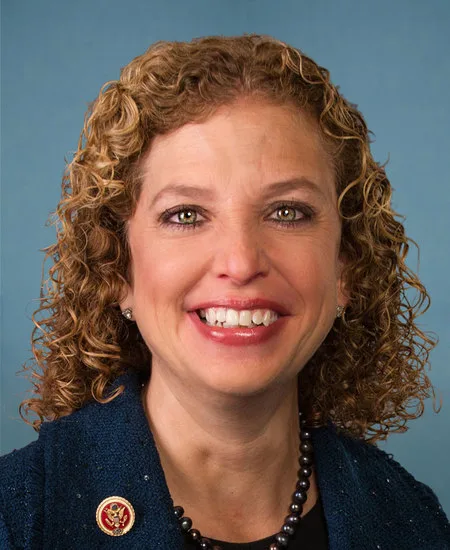
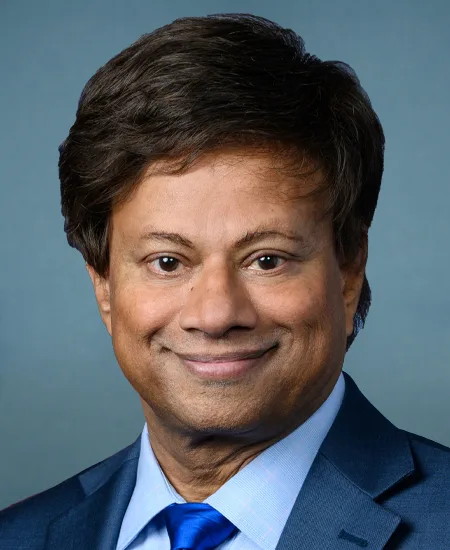
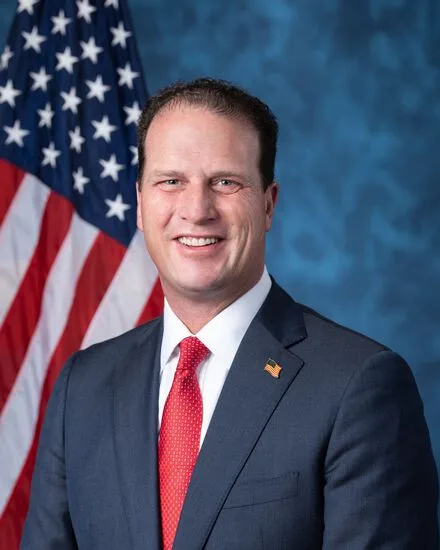
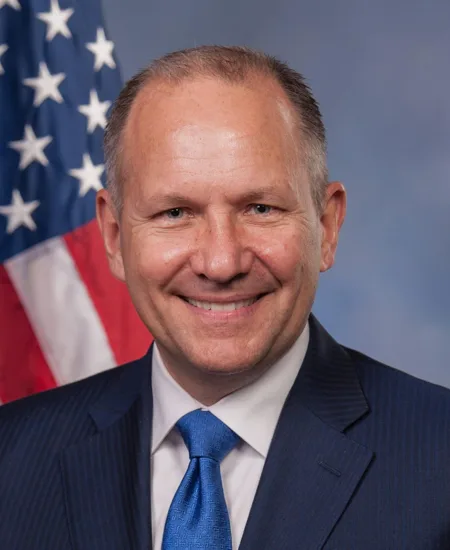
Other politicians









































































































Frequently asked questions
Questions about Max Miller
What stocks does Max Miller own?
According to the disclosed trades, Max Miller (Member of Congress from Ohio) still holds 9 positions in stocks. The largest are DISTRIBUTION FROM ALPINE INVESTORS IX LP OF $2,202.88 (GLAS FUNDS), CAPITAL CALL FOR RAC OPPORTUNITY FUND II, LP FOR $6,277.11 (GLA) and VRNG, worked out from the trades through the filing of October 27, 2026.
How do you work out Max Miller's portfolio?
We add up every disclosed purchase and sale per stock. A position stays as long as the purchases, counted at their lower bound, are larger than the sales, counted at their upper bound. For each position we show the upper bound; together up to $612K, through October 27, 2026.
Why does this portfolio not come from an annual report?
Max Miller (Member of Congress from Ohio)'s latest annual report, for 2025, lists too few stock positions to build a portfolio from. So we work out the positions from the 58 disclosed trades through October 27, 2026.
What is the difference between Max Miller's portfolio and trades?
The portfolio is what is left after every disclosed purchase and sale: 9 positions as of October 27, 2026. The trades are the individual purchases and sales; they are in Max Miller's disclosed stock trades.
Where does Wolf of Washington get its data?
Wolf of Washington builds and maintains its own database of stock trades by members of Congress: more than 102,000 trades by more than 350 members of Congress, from 2012 through October 28, 2026, updated every business day.
The trades on this page come from that database, which records the official filings with the Clerk of the House. Compiled by Wolf of Washington from the official filings. We show filings through November 3, 2026.
From all those trades, experienced traders on our team pick the ones worth acting on. Of the 16,781 congressional trades reported in the past 1.5 years, we shared 221 with members since March 2025.
The positions are worked out from the disclosed trades through October 27, 2026, not from an annual report. Max Miller (Member of Congress from Ohio)'s latest annual report, for 2025, lists too few stock positions to build a portfolio from.
Per stock we add up the purchases and sales. A position stays as long as the purchases, counted at their lower bound, are larger than the sales, counted at their upper bound. A sale without an upper bound counts as a full sale.
For each position we show the upper bound: the upper bounds of the purchases minus the lower bounds of the sales. Only for the split by sector do we use the midpoint of the two.
Anything held before the first disclosed trade, or bought or sold without a filing, is not included. Source: the periodic transaction reports in our database.
Information only, not investment advice. Past performance does not guarantee future results. All figures come from public filings by members of the U.S. Congress; amounts are estimates based on the reported ranges.